Eritrean asylum seekers' lament ceremonies in Israel as contested sites of identity formation
Academic paper written with Prof. Galia Sabar (African Diaspora journal) in 2015. Based on extensive qualitative research, this paper examines the lament ceremonies performed by Eritrean asylum seekers in Israeli public parks (2008–2014). It explores the community’s social and political structures, survival strategies under harsh conditions, and fragile legal status, showing how a “chaordic” diasporic identity enables resilience and continuity. The paper also highlights how these rituals became contested sites of identity formation and tools for visibility and recognition in the public sphere.
Dangerous or endangered: the presence of African Israeli children in urban public spaces
Academic paper written with Dr. Manya Oriel Kagan & Hadas Yaron Mesgena (Journal of Citizenship Studies) in 2024. This article explores the use of public spaces by African Israeli children in South Tel Aviv. These children were born to asylum seekers from Eritrea and Sudan who crossed the Israeli–Egyptian border between 2006 and 2012 and live in Israel with no effective status. South Tel-Aviv has, in recent years, become a place of contestation and conflict, especially in connection to African asylum-seeker children and the Israeli aid organizations assisting them. The high visibility of these children in the streets coupled with the incitements against asylum-seekers and gentrification processes in the area lead to friction that makes their presence in public spaces unsafe. Drawing on ethnographic research, we analyze how the children’s presence is narrated and contested. We found that it is perceived as a symbol of ‘demographic concern’ that extends beyond the borders of the neighborhood and touches the nature of the Israeli state as a Jewish ethno-based or democratic state that respects human and refugee rights.
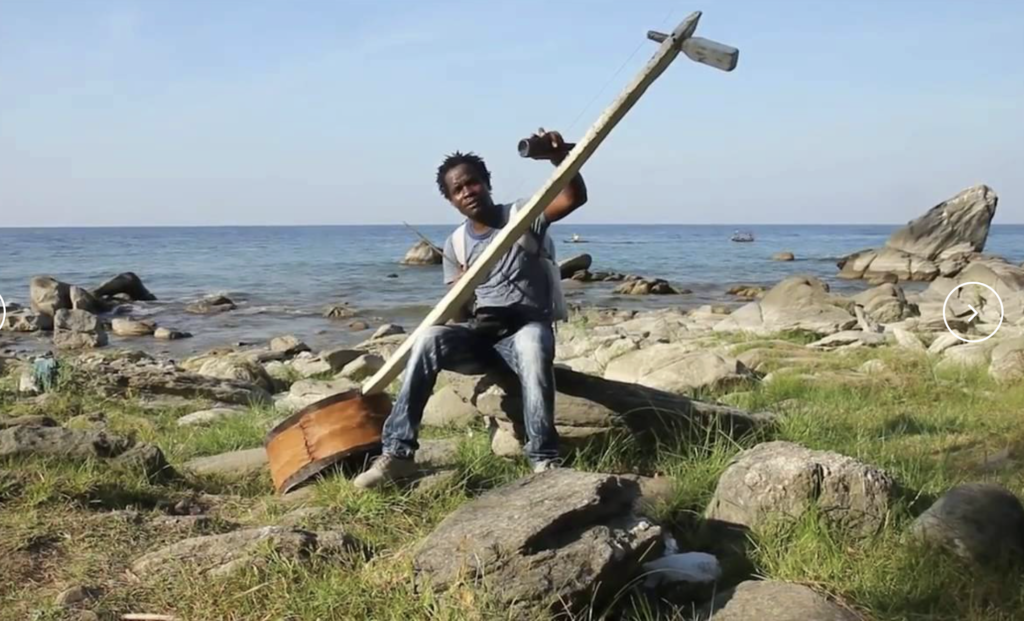
Shadows of Music
A semi-academic article published in HaZman HaZeh – A Journal for Political Thought, Culture, and Science (The Van Leer Jerusalem Institute) in 2025. During the colonial era, Western researchers were eager to record and catalogue original musical works in Africa. In many cases, these recordings are considered “lost music,” as the traditions they captured declined over time and the indigenous languages of the songs nearly disappeared. Only in the twenty-first century—amid growing calls to decolonize knowledge and culture—have efforts emerged to return these recordings to the places and communities where they originated. This process, known as music repatriation, is gaining momentum, but it also raises profound ethical questions.
“Regarding Africa: Contemporary Art and Afro-Futurism” - Tel Aviv Museum of Art, Tel Aviv